My two shops are five minutes apart. At one point, I was driving between them 20 times a day. I would be at one location, and the phone would ring. “Charlie, you need to come here and deal with this customer.” So I would get in the car. Before I could make it to the other shop, somebody from the location I had just left would call. There was a problem with a vendor. A car needed a diagnosis. Somebody needed a decision. Back and forth, all day long. Nothing was getting resolved in a way that would keep it from happening again, and everybody needed me.
It would have been easy to say I had the wrong people working for me. As owners, we do that. We get frustrated, look around, and say, “My people don’t know what they’re doing.” But eventually, I had to look in the mirror and ask myself: Had I actually taught them? Did they know what I expected, or was I getting upset with them for failing to do something I had never clearly explained?
I opened another shop before I knew how to lead the first one
When my first shop started getting busy, I found another location and opened it. I put somebody there and thought, “Okay, that shop is going to run. I’ll stay here. It’ll be fine.” Well, it couldn’t have been further from the truth! That person couldn’t run the shop, so I had to leave the original location to go run the second one. Then the first location needed me again. I had expanded the business, but I hadn’t trained a team that could operate them without coming to me for everything.
I was a good technician. I worked hard. I cared about my customers and my business. But at that point, I was a bad leader. My team didn’t have clear direction or a clear system to follow. They were winging it because I hadn’t done my part to prepare them. That’s a difficult thing to admit when you’re already working as hard as you can. You feel like you’re giving the business everything you have. But working hard doesn’t automatically mean you’re giving your people what they need.
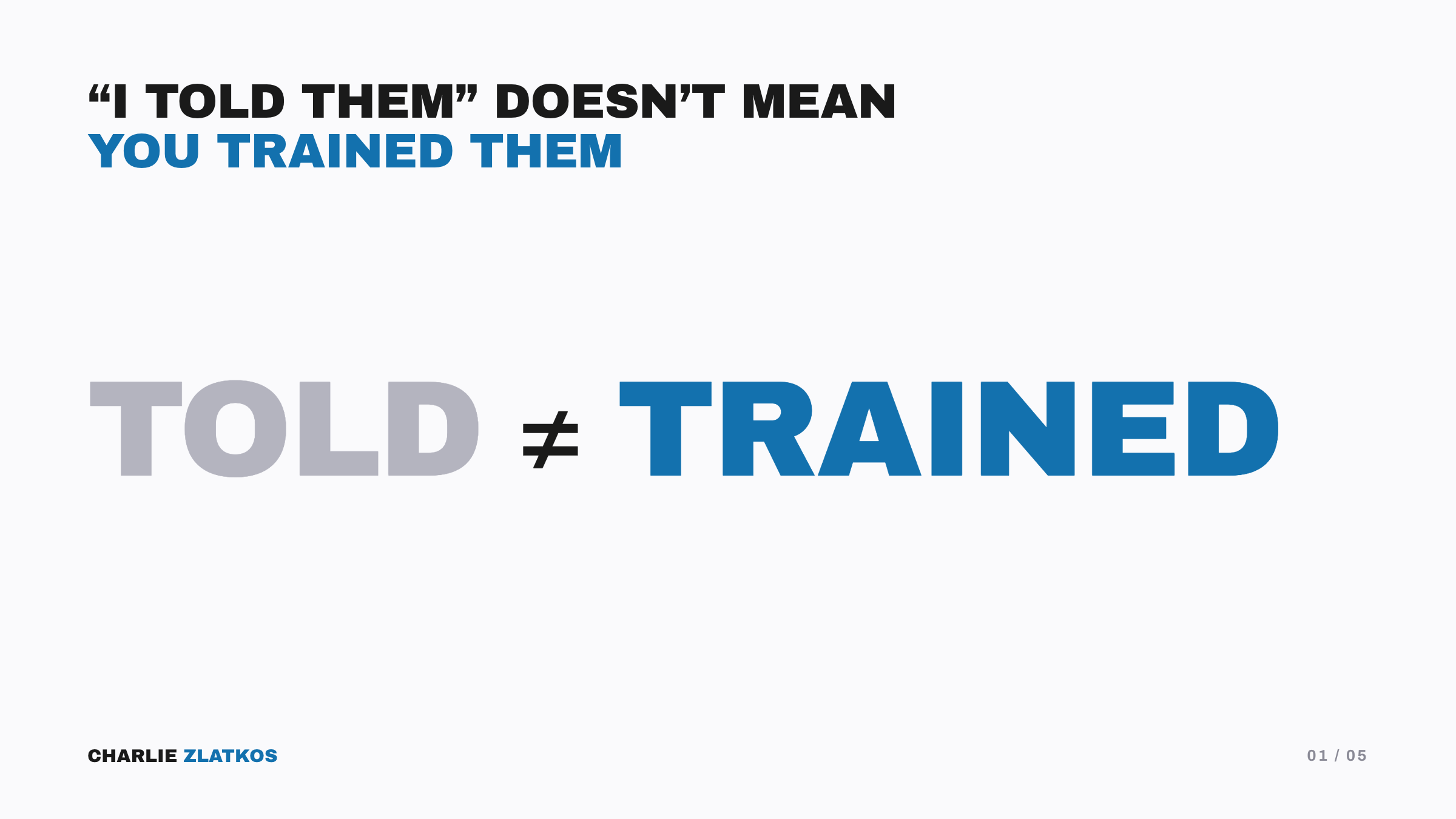
“I told them” doesn’t mean you trained them
My mentor, Todd Hayes, had to challenge me on this. He would ask whether I had trained my people and told them what the expectation was. I had to be willing to hear those questions and take responsibility for the answers. Even when I started doing our short team training meetings, our take fives, I still wasn’t always clear enough. I thought I was explaining what needed to happen, and I couldn’t understand why people weren’t following through.
I used to record those meetings and show them to my wife. Then I’d get frustrated when the team didn’t do what I thought I had explained. “You see? I told them to do this, and they didn’t do it.” She said, “No, you didn’t.” I said, “What do you mean? Watch the video.” Her answer was simple: “You were too generic. It wasn’t specific enough.”
She was right. I thought I was training because I was talking about what needed to happen. But there’s a difference between saying, “Get the customer to bring the car in,” and teaching somebody exactly how to handle that conversation. What do you say when you answer? What questions do you ask? How do you invite the customer in? What do you say when they hesitate? If I haven’t explained those steps, how can I hold somebody accountable for following them?
Give people an expectation they can actually follow
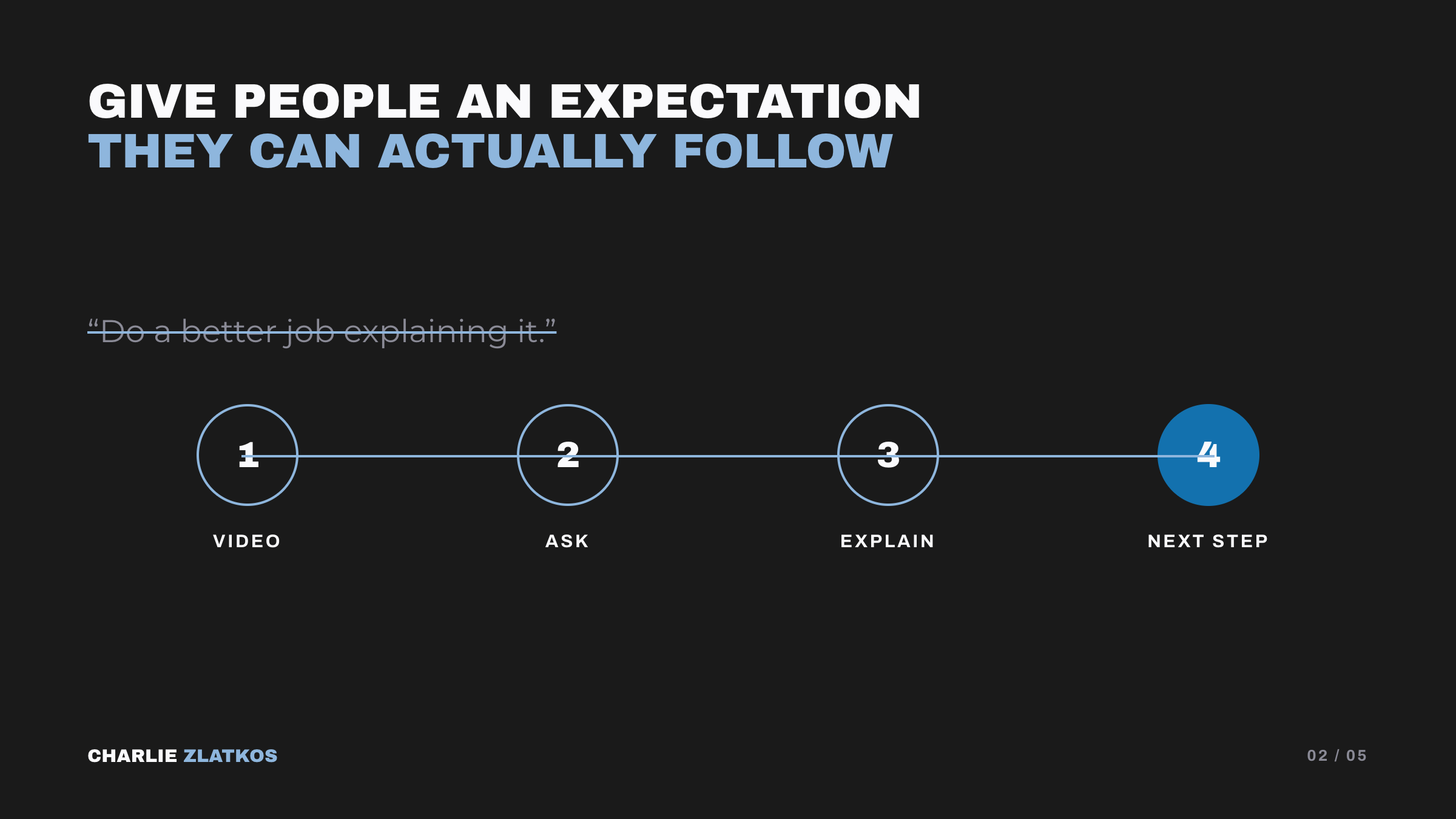
Take presenting a repair to a customer. “Do a better job explaining it” doesn’t give your service advisor much to work with. You need to get specific about what you expect them to do. Did they include the inspection video? Did they ask, “Is now a good time to spend five minutes with you on the phone?” Did they explain what the inspection found and what work they’re recommending? Do they know what the next step in the conversation should be?
Now you have something you can train, observe, and discuss. You can identify which step was missed and work on it together. The same applies when the phone rings. Before you get upset about how somebody handled a call, ask whether you’ve shown them how you expect that call to go. Have they heard you do it? Have you listened to them do it? Do they know which parts they need to improve? You cannot blame people for something you never taught them.
You also cannot train them on something you don’t know yourself. That was part of my own learning process. I had to learn how to run the business, then learn how to teach those skills to somebody else. Being able to handle a customer conversation myself didn’t mean I automatically knew how to explain it to a service advisor. I had to get specific about the things I was doing so another person could understand and practice them.
Training is part of the job every day
Your job as a leader is to train and equip your people. How often? Every single day. You have to make time to show them, watch them, answer questions, and reinforce the expectation. If something isn’t happening the way it should, you need to understand why. Repeating the same instruction without checking whether somebody understands it can leave both of you frustrated.
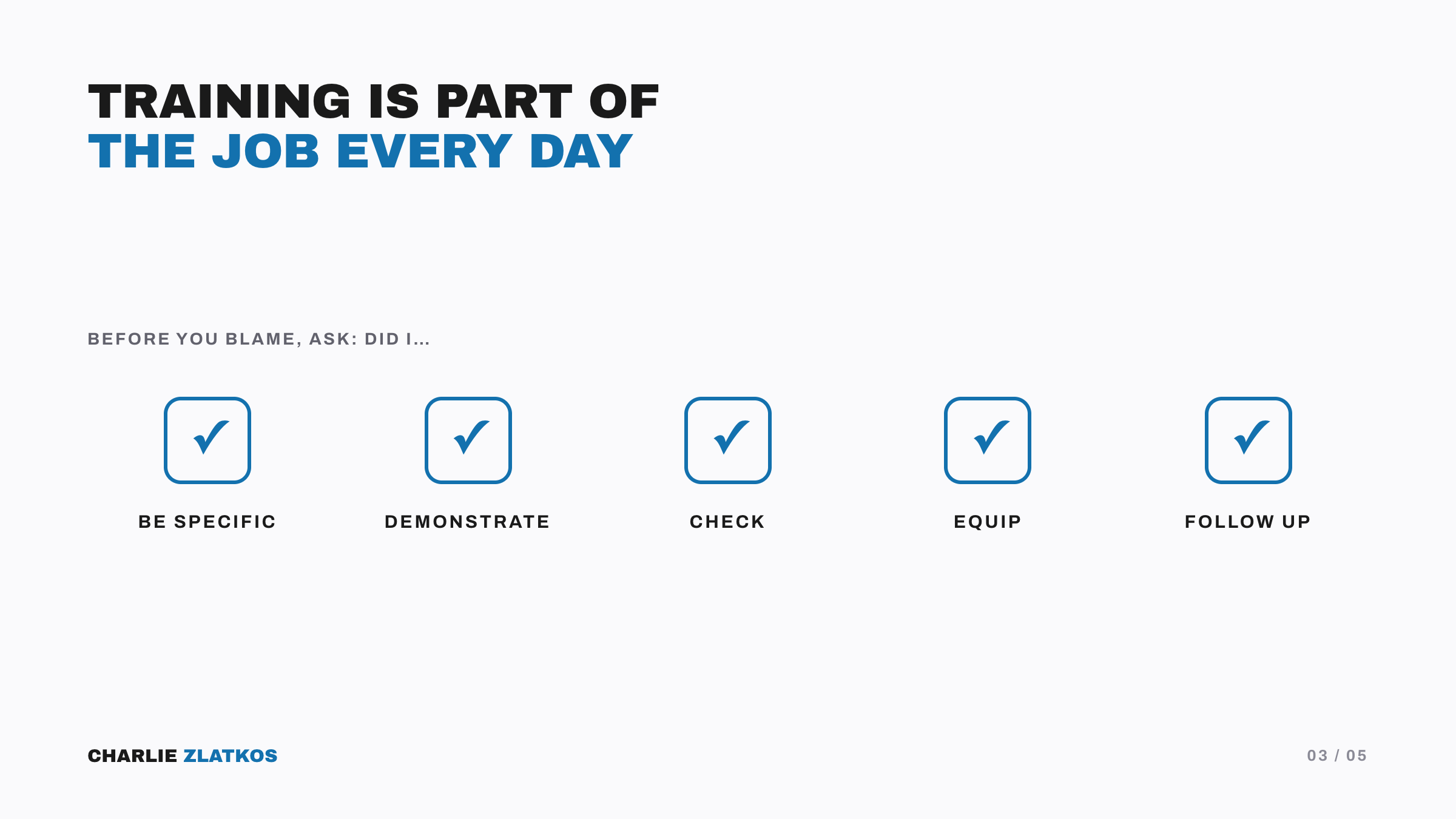
Before deciding an employee isn’t doing their part, ask yourself:
Was I specific? Could they explain the steps back to me?
Did I demonstrate it? Have they seen what I’m asking them to do?
Did I check their understanding? Have I watched them perform the task?
Did I equip them? Do they have the tools, information, and support to do it?
Did I follow up? Have I given them useful feedback and another opportunity to practice?
Of course, you still need the right people. Some people may not want to learn a new way of doing things. But before you reach that conclusion, you need to know you’ve done your part. That’s what allows you to hold somebody accountable fairly. The expectation is clear, the training has happened, and now you can have a specific conversation about their performance. You can point to what was expected and what actually happened, instead of simply telling them you’re unhappy with their work.
Clear direction makes the work better for everybody
You might think a shop with clear systems and daily training would feel restrictive. My experience has been the opposite. The culture is more fun now. People come in and know what to do. They’ve been trained for the situations they face, and they don’t have to guess their way through the day or wait for me to make every decision. They can do their jobs with more confidence because they understand what’s expected of them.
I can stay connected to the business without personally handling every task. And as people learn and take on more responsibility, they have opportunities to grow. That matters to me. I want people who care about the business, and I have people on my team who treat it like their own. My responsibility is to train them, equip them, and treat them well. You can find people who will take that kind of ownership, but you have to give them a reason to care and the support to succeed.
Start with the problem that keeps coming back to you
If you want to find out where your business needs work, go away for a few days. Pay attention to why your phone rings. Whatever people keep calling you about is something you need to examine. Is there a clear process? Does somebody know how to handle it? Have you given them the training and authority to make the decision? Those calls can show you exactly where your team still needs help.
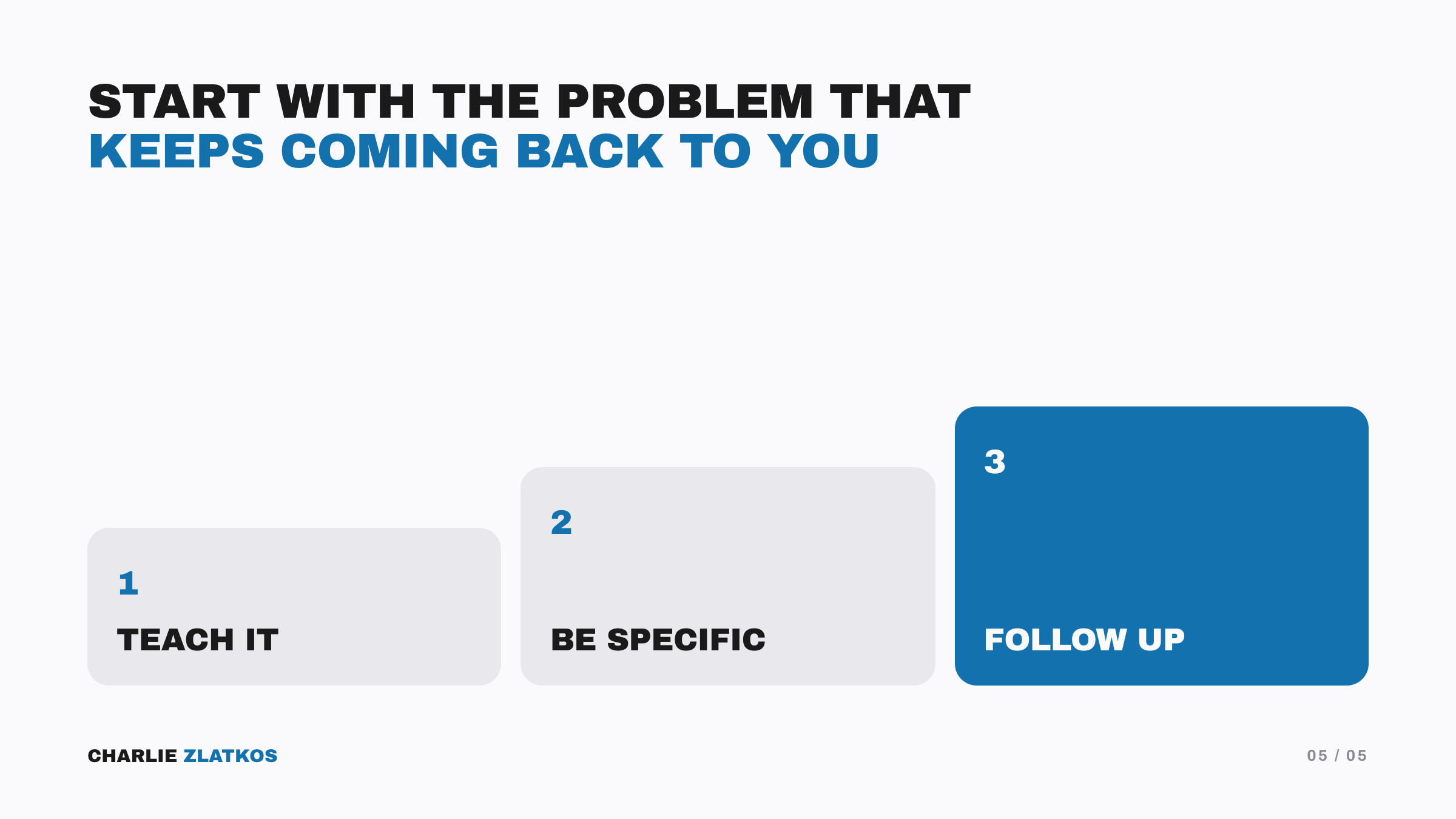
You don’t have to fix everything at once. Start with one situation that keeps coming back to you. Teach somebody how to handle it, be specific about the expectation, and follow up. I spent a lot of time driving between two shops because I hadn’t done that work. My team needed direction, and I kept giving them another reason to call me. Before you blame your people, ask yourself the question I had to ask: Did I do my part to train them?